

Alternatives to Expensive Roadside Assistance Plans
Table of Contents
Why Drivers Are Rethinking Roadside Assistance Memberships
Pay-Per-Use Roadside Assistance: When It Makes Sense
Roadside Assistance Through Car Insurance: What's Already Covered
Credit Card Roadside Assistance Benefits You Might Be Missing
Roadside Assistance Plan Cost Comparison: What You're Actually Paying For
How Local Providers Fit Into the Mix
Choosing the Right Roadside Assistance Alternative for Your Situation
Frequently Asked Questions
Last Updated: October 13, 2026
Why Drivers Are Rethinking Roadside Assistance Memberships
Roadside assistance memberships made sense when towing options were limited. Today, drivers in South Milwaukee, WI and across the country have more choices, and many are asking whether annual plans still deliver enough value. This guide from Boost Towing & Recovery LLC breaks down the real alternatives to expensive roadside assistance plans, so you can decide what fits your driving habits and budget.
A roadside assistance plan is a membership or add-on service that covers breakdowns, lockouts, jumpstarts, flat tires, or towing for a recurring fee. The problem is that many drivers pay every year for coverage they rarely use. When they finally need help, they often find limits on mileage, service calls, or which providers they can call.
Here's the core tension: membership plans sell peace of mind, but that peace of mind has fine print. Pay-per-use, insurance add-ons, and credit card benefits often cover the same emergencies without a yearly commitment. Below, we'll show you exactly how each alternative works, what it typically includes, and how to pick the one that matches how you actually drive.
The Insurance Information Institute's guidance on auto insurance and roadside coverage explains how roadside coverage varies widely between policies, which is why comparing options matters before you commit to any plan.
Pay-Per-Use Roadside Assistance: When It Makes Sense
Pay-per-use roadside assistance is exactly what it sounds like: you call a local provider when something happens and pay only for that single service. There's no annual fee, no renewal, and no coverage you never touch.
This model works best for drivers who rarely break down, keep their vehicle well maintained, and don't want another subscription. If you drive a newer car with a solid maintenance record, paying per call can cost far less over a few years than a membership you never use.
Where it falls short: you pay the full cost at the moment of need, and prices can vary by time of day, distance, and service type. That's why getting a quote upfront matters. A reputable provider will tell you the rate before they roll a truck.
Best for: Low-mileage drivers, newer vehicles, and anyone who dislikes recurring fees
Watch out for: After-hours surcharges and mileage fees that aren't disclosed upfront
Pro move: Save a trusted local provider's number before you need it
Pro Tip Ask for a full quote before dispatch, including any after-hours or mileage charges. A provider that won't quote upfront is a provider that will surprise you later.
Roadside Assistance Through Car Insurance: What's Already Covered
Roadside assistance through car insurance is an optional add-on many drivers already have without realizing it. Insurers frequently bundle towing and labor coverage into policies, and it often costs less than a standalone membership.
The catch is that coverage limits vary. Some policies cap the dollar amount per tow, others limit the number of service calls per year, and some restrict the distance. Read the declarations page of your policy, not just the marketing summary.
If you already pay for an insurance add-on, paying again for a separate membership is often redundant. Call your agent and ask three questions: What's my towing limit? How many calls per year? Does it cover lockouts and jumpstarts, or towing only?
Watch Out The most common mistake is double-paying: keeping an insurance roadside add-on and a separate membership at the same time. Check your policy first, then cancel the overlap.
Credit Card Roadside Assistance Benefits You Might Be Missing
Credit card roadside assistance benefits are one of the most overlooked options. Many major cards include dispatch and towing as a cardholder perk, often at no extra annual cost beyond the card's existing fee.
The structure usually works like this: the card's network arranges a provider, and you may pay a flat per-use fee or nothing at all, depending on the card. Coverage typically includes towing, jumpstarts, lockout help, and flat tire changes.
The limitation is that the card network dispatches whoever is available, not necessarily the provider you'd choose. That can mean longer waits, especially in rural stretches of the central Midwest. Still, as a backup layer, it costs nothing extra to know it exists.
Check your card's benefits guide for "roadside dispatch" or "auto assistance"
Confirm the per-use fee and any mileage cap
Keep the dispatch number saved in your phone
Roadside Assistance Plan Cost Comparison: What You're Actually Paying For
Comparing roadside assistance plans comes down to three numbers: what you pay, what's covered, and how often you can use it. A low annual price means little if the towing limit is short or the service calls are capped.
Here's how the main options stack up:
Option | How You Pay | Best For | Main Trade-Off |
Pay-per-use | Per service call | Rare breakdowns, newer cars | Full cost at time of need |
Insurance add-on | Small policy premium | Drivers already insured | Coverage limits vary |
Credit card perk | Card fee or per-use | Existing cardholders | Network picks provider |
Standalone membership | Annual fee | Frequent travelers | Yearly cost, plan limits |
Local provider | Per call, quoted upfront | Anyone wanting control | You arrange it yourself |
The pattern is clear: memberships trade flexibility for predictability, while pay-per-use and local providers trade predictability for control and often lower total cost.
How Local Providers Fit Into the Mix
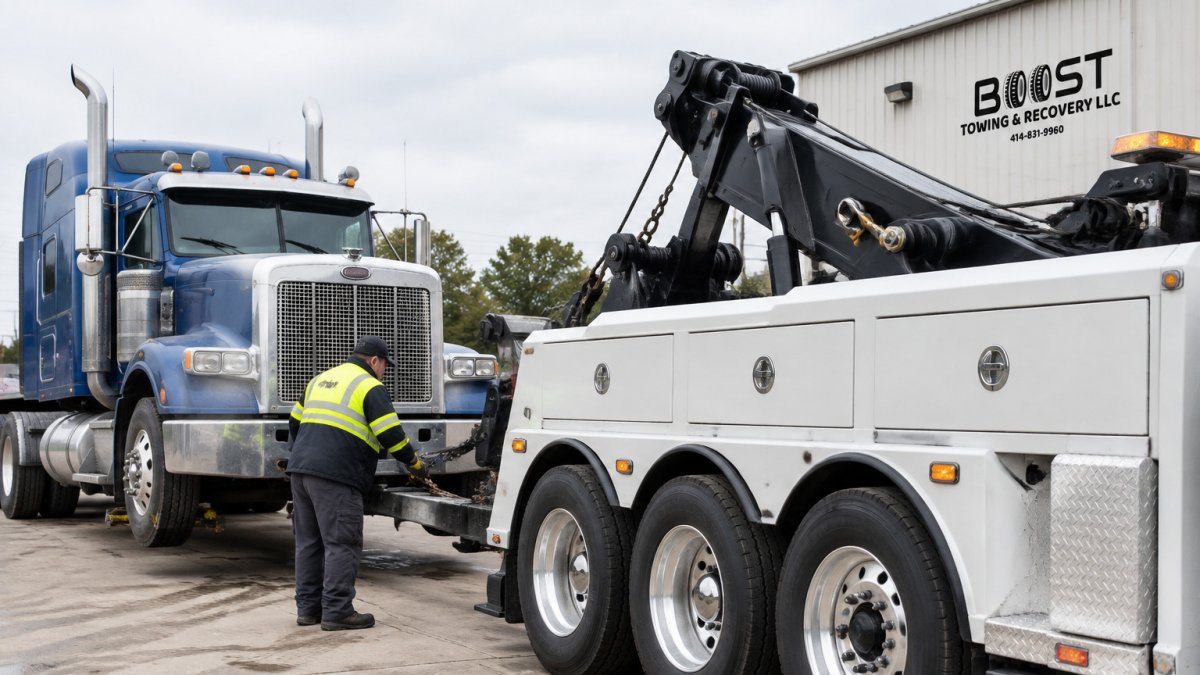
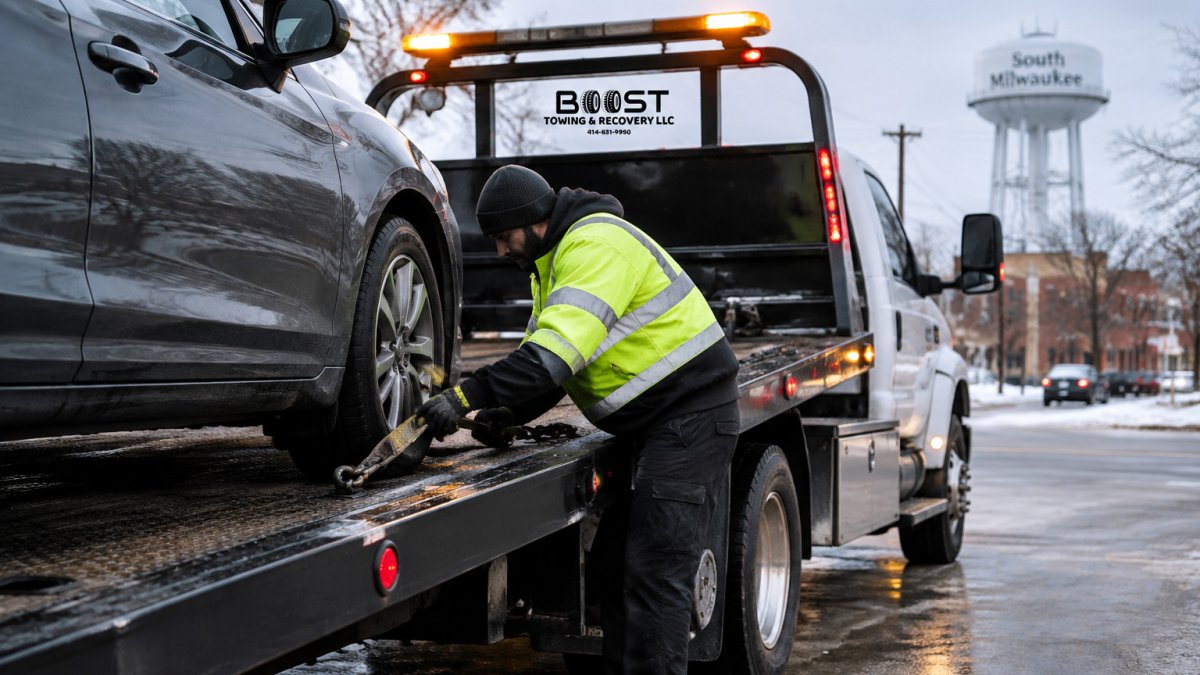
Local providers are the option most drivers overlook, and often the most practical. A local towing and recovery company can handle lockouts, jumpstarts, flat tires, gas delivery, and towing without any membership at all.

For drivers in South Milwaukee and southeastern Wisconsin, working directly with a local company means a real person answers, quotes a price, and shows up. You skip the call-center relay that membership plans route you through. Boost Towing & Recovery LLC operates 24/7 across southeastern Wisconsin and the central Midwest, handling everything from lockouts and jumpstarts to flatbed and wheel lift transport.
The advantage is straightforward: no annual fee, no coverage caps, and a quote before dispatch. If you're searching for roadside assistance near me, a local provider is often the fastest path back on the road.
Choosing the Right Roadside Assistance Alternative for Your Situation
The right alternative depends on how you drive, not on which plan advertises the loudest. Use these questions to decide:
Do you break down more than once a year? A membership may earn its keep.
Do you already have an insurance add-on? Confirm the limits before buying anything else.
Do you carry a card with roadside perks? That's a free backup layer.
Do you want control over who shows up? A local provider gives you that.
For most drivers, a layered approach works best: keep your insurance or card benefit as a backup, and save a trusted local provider's number for fast, quoted service when it counts.
When your vehicle leaves you stranded, the last thing you need is a plan that won't cover the call. Boost Towing & Recovery LLC offers 24/7 towing and recovery, lockouts, jumpstarts, flat tire repair, and gas delivery across southeastern Wisconsin and the central Midwest, with upfront quotes and a family-oriented team that treats you like a neighbor. We can transport up to two vehicles at once and handle specialty vehicles with flatbed and wheel lift equipment. Book online with Boost Towing & Recovery LLC and get back on the road quickly and safely.
Frequently Asked Questions
Is it cheaper to pay for towing out of pocket or buy a roadside assistance plan?
It depends on how often you need help. If you rarely break down, paying out of pocket for a local tow or service call can cost less than a year of membership fees. But if you drive an older vehicle or take long road trips, a plan or insurance add-on may pay for itself after one or two uses. Compare the annual cost against what you'd realistically spend on one or two service calls.
Does car insurance include roadside assistance?
Some auto insurers offer roadside assistance as an optional add-on, not standard coverage. Check your policy documents or call your insurer to confirm whether you already have it and what the coverage limits are before buying a separate membership.
Do credit cards offer roadside assistance?
Many credit cards include roadside dispatch as a benefit, though the details vary widely. Some cards cover the cost of a tow up to a certain distance, while others only connect you with a provider and bill you directly. Read your card's benefits guide or call the number on the back of your card to confirm what's covered before you assume you're protected.
What should I compare when choosing a roadside assistance plan?
Focus on four things: the annual or monthly cost, the towing distance covered per call, how many service calls you get per year, and whether family members are included. A roadside assistance plan cost comparison should also note any after-hours fees or mileage charges. The price gap between plans is real and worth checking against coverage.
Book Online

Comments