

7 Best Times to Book Vehicle Transport for Lower Rates
Last Updated: November 4, 2026
Quick Summary
The best time of year to book vehicle transport is the off-peak season from November through March, when demand is low and rates tend to be lowest. April and October are shoulder months that offer the best balance of price and availability. Summer, May through September, is peak season with the highest rates.
Peak season runs May through September, when demand is high and carrier capacity is tight.
Off-peak rates from November through March come with weather delays and limited routes.
A three-week lead time in shoulder season gives your broker room to negotiate.
Terminal-to-terminal shipping often trims the quote by removing residential access problems.
Build two or three extra days into winter plans and confirm the carrier's weather policy.
Table of Contents
Why Timing Decides What You Pay for Vehicle Transport
Vehicle transport is the scheduled, non-emergency shipping of a car from one place to another, and the price you pay depends heavily on when you book it. Boost Towing & Recovery LLC offers flatbed and wheel lift transport, and the calendar can affect the price of any scheduled move. Pricing depends on the route, vehicle, and dates, so contact us through our website for a current quote. The reason is simple: carriers move where the freight is, and freight volume swings with the seasons.
Three forces drive that swing. First, supply and demand: when more people want cars moved than there are trucks to move them, rates climb. Second, carrier capacity: a truck hauling south in October may have nothing to haul back north in January, so it either discounts the return leg or parks. Third, weather: snow, ice, and road salt turn a routine transit into a slower, riskier job.
Below, we break down the best time of year to book vehicle transport, the seasonal rate patterns worth planning around, and the booking windows that keep money in your pocket.
Peak vs. Off-Peak Shipping Seasons: When Demand Spikes
Summer is generally a busy season for vehicle moves, and demand for scheduled transport can rise during those months.
A common mistake is assuming the cheapest month is always the same. It is not. A route out of Wisconsin in January may be a bargain; the same route in January to a snowbird destination may not be.
Seasonal Vehicle Transport Rates by Time of Year
Season | Months | Demand | Rate Tendency | Watch For |
Peak | May-September | High | Highest | Tight carrier capacity, longer pickup windows |
Shoulder | April, October | Moderate | Mid-range | Best balance of price and availability |
Off-peak | November-March | Low | Lowest | Weather-related delays, limited routes |
How Far in Advance to Book Car Transport
Booking ahead of your move date gives you more scheduling flexibility. Lead times vary with the season and the route, so contact us through our website to check availability for your dates.
If You Missed the Ideal Window: A Last-Minute Plan B
Watch out: a last-minute booking in winter compounds two risks at once, thin carrier availability and weather cancellations, so confirm the carrier's rescheduling and cancellation terms in writing before you pay a deposit. Once your booking is confirmed, our guide on how to prepare a car for long distance transport walks through the pre-shipping checklist.
Long Distance Car Shipping Costs: What Moves the Number
Because pricing depends on all of these, we quote each job individually rather than publishing a rate card. For a fuller breakdown of what long-distance towing runs, see our towing services for long distance cost guide.
Winter Shipping Challenges and Midwest Weather Delays

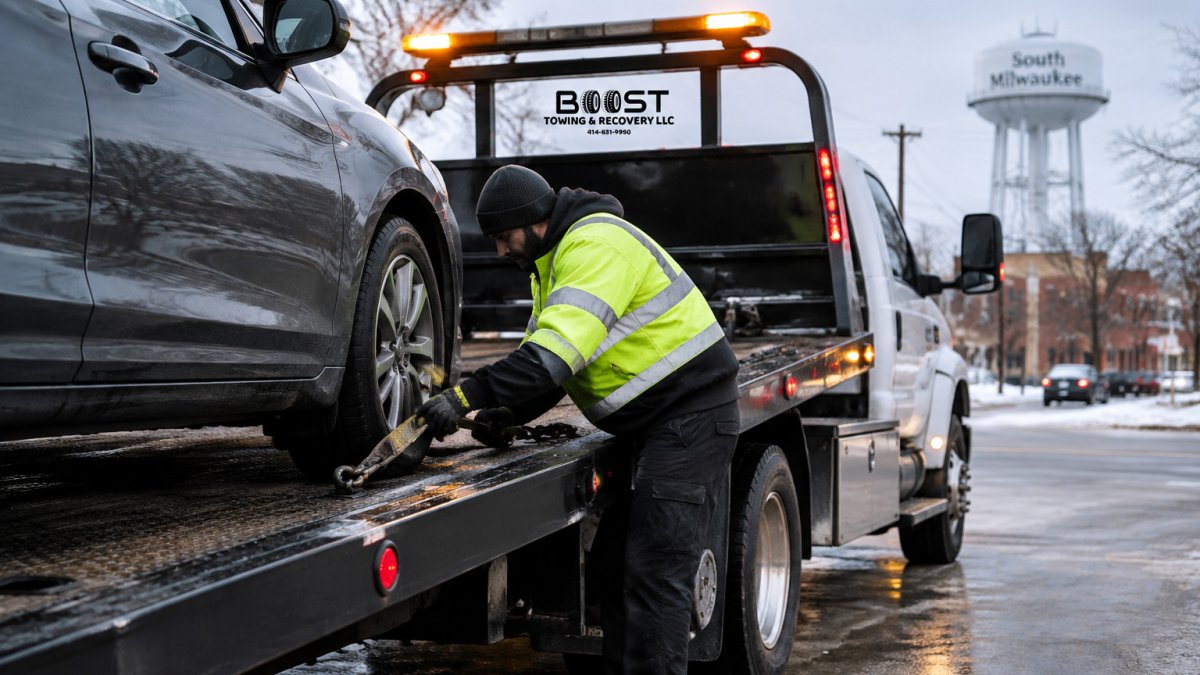
Winter weather such as snow, ice, and road salt can slow vehicle transport and sometimes require rescheduling. A wash after delivery can help remove road salt.
Does Winter Change Insurance or Carrier Liability?
A question most guides skip: does the season change who pays if something goes wrong?
Watch out: booking a winter transport without a flexible delivery window is the mistake we see most. Build two or three extra days into your plans, and confirm the carrier's weather policy before you sign the transport contract. If you want the full picture of what a winter tow involves, read our guide to getting a car towed in winter.
How to Save Money on Auto Transport: Last-Minute and Shoulder Season Tactics
Saving money on auto transport comes down to flexibility and preparation. The shippers who pay the least are the ones who can move their dates by a week or two and who hand the carrier a clean, ready vehicle.
Try these tactics:
Target the shoulder seasons. April and October usually beat both summer and deep winter on price and reliability.
Book early, not late. A three-week lead time in shoulder season gives your broker room to negotiate.
Choose terminal-to-terminal when you can. It removes residential access problems and often trims the quote.
Stay flexible on pickup window. A carrier that can slot you in mid-week saves money over a Friday pickup.
Wash the salt off after winter delivery. It protects paint and undercarriage for the long haul.
If you are weighing a last-minute booking against waiting for a better window, call and ask. A quick conversation about your dates usually beats guessing.
Book Your Vehicle Transport with Boost Towing & Recovery LLC
Timing your booking well is the difference between a smooth, affordable move and an expensive wait. Boost Towing & Recovery LLC offers flatbed and wheel lift transportation and can transport up to two vehicles at one time. We are a family-oriented company.
When you are ready to schedule, review our vehicle towing service or book online to lock in your pickup window. Tell us your dates, your route, and your vehicle, and we will help you find the best time of year to book vehicle transport for your move.
Frequently Asked Questions
What is the most affordable month to ship a vehicle in the Midwest?
Late fall and early winter, roughly November through January, usually bring the lowest seasonal vehicle transport rates in the Midwest. Summer demand from relocations and family moves has ended, and carrier capacity opens up.
How far in advance should I book long-distance vehicle transport?
Book two to three weeks ahead during shoulder seasons and four to six weeks ahead during peak summer months.
Does the time of year affect long distance car shipping costs?
Yes. Long distance car shipping costs rise when freight volume and seasonal demand peak, typically June through August and again during snowbird migration in late fall. Supply and demand drive carrier pricing, so off-peak windows in late fall and winter often cost less. Weather-related delays in winter can also add transit time, which sometimes raises the quote for enclosed transport or expedited shipping.
Is it cheaper to ship a car during the off-season?
Often yes. Off-season shipping, mainly late fall and winter outside holiday weeks, tends to offer lower seasonal vehicle transport rates because carrier capacity outpaces demand. Navi Auto Transport points to late fall and early winter as the cheapest months to ship. Watch for weather-related delays in the Midwest, and confirm your transport contract covers rescheduling before you book.
The best time to book is the season that fits your schedule and your budget, and the right carrier makes either one work. Get started with Boost Towing & Recovery LLC and schedule your vehicle transport with a team that quotes upfront and shows up when it says it will.

Comments