

Towing Services for Long Distance: 2026 Cost Guide
Table of Contents
What Long Distance Towing Actually Covers
When a Tow Beats Auto Shipping
The Cost of Long Distance Towing per Mile in 2026
What Drives Your Towing Quote Up or Down
Flatbed Towing vs Auto Transport: Which Fits Your Vehicle
Long Distance Vehicle Transport Preparation Checklist
Inspection Checklist Before Pickup
Insurance, Liability, and Who Pays If Something Breaks
DIY vs Professional Towing: The Real Cost Comparison
Seasonal Pricing and Booking Timing
Conclusion
Frequently Asked Questions
Last Updated: September 25, 2026
What Long Distance Towing Actually Covers
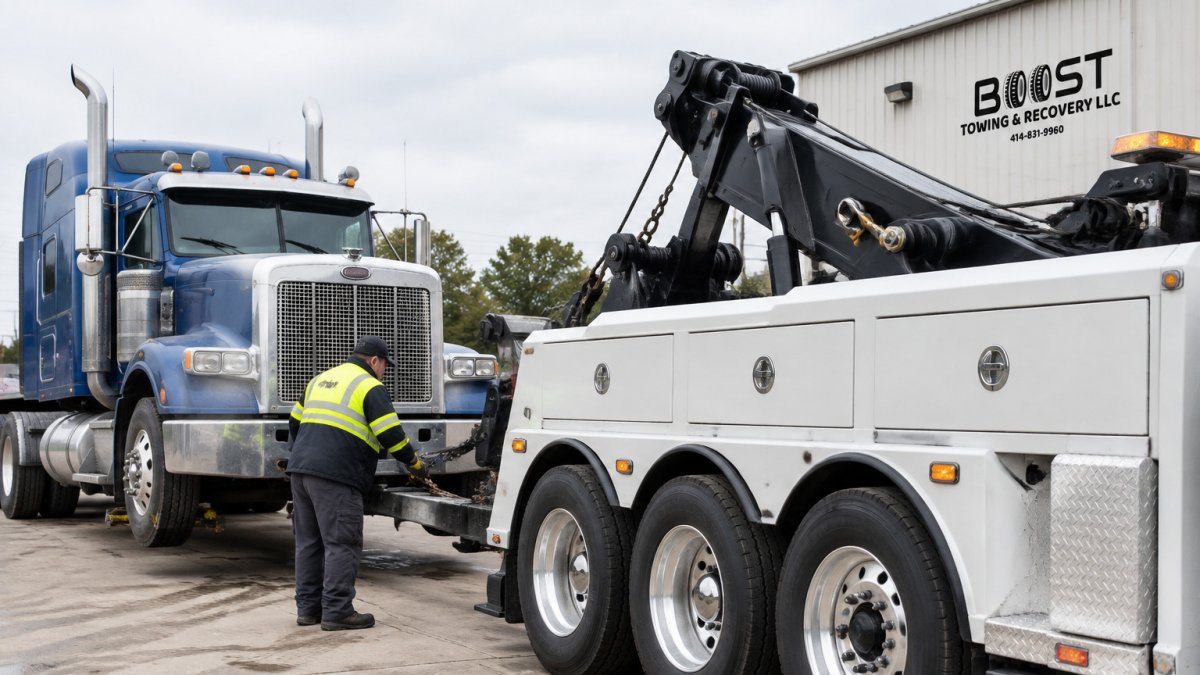
Long distance towing is the transport of a vehicle over a significant distance, typically defined as 50 miles or more, using a tow truck or specialized carrier rather than a local hook-and-go recovery. This guide from Boost Towing & Recovery LLC breaks down what towing services for long distance include, what they cost, and how to avoid the billing surprises that catch most drivers off guard.
The definition matters because it changes everything downstream. A 10-mile tow is a recovery job: hook up, drive, drop off. A 500-mile tow is logistics. It involves route planning, fuel and mileage calculations, driver hours, and a paper trail if anything goes wrong.
Here's the distinction most people miss: long distance towing is not the same as auto shipping. Towing services for long distance typically move a vehicle that cannot drive itself, often on short notice, using a tow truck rated for the load.
When a Tow Beats Auto Shipping
Choose a tow over auto shipping when your vehicle cannot be driven, when you need it moved on your timeline rather than a carrier's, or when the distance is moderate enough that a dedicated truck still makes financial sense.
Pro Tip Ask any provider whether the quote is for a dedicated truck or a shared load. A dedicated tow means your vehicle is the only one on the truck, which usually shortens transit time but costs more than a shared carrier slot.
The Cost of Long Distance Towing per Mile in 2026
The cost of long distance towing per mile depends on distance, vehicle weight, equipment required, and when you book. Most providers price a long-haul tow as a base hookup fee plus a per-mile rate, with surcharges layered on top for after-hours dispatch, winching, or specialty equipment.
Quote Component | What It Covers | How to Verify It |
Base hookup fee | Dispatch, driver time, initial setup | Confirm it is flat, not hourly |
Mileage rate | Cost per mile for the haul | Confirm loaded miles vs. total miles |
After-hours surcharge | Nights, weekends, holidays | Ask for the exact window |
Equipment fee | Flatbed, dolly, winch use | Confirm before dispatch |
Storage fee | Holding the vehicle overnight | Ask the daily rate upfront |
What Drives Your Towing Quote Up or Down
Several variables push a towing estimate in either direction. Distance is the obvious one, but it is rarely the biggest swing factor.
Watch Out The most common billing dispute in long distance towing comes from mileage measured door-to-door versus loaded miles. Confirm in writing which one the provider uses before you agree to the job, or you may pay for miles the truck drove empty.
Flatbed Towing vs Auto Transport: Which Fits Your Vehicle
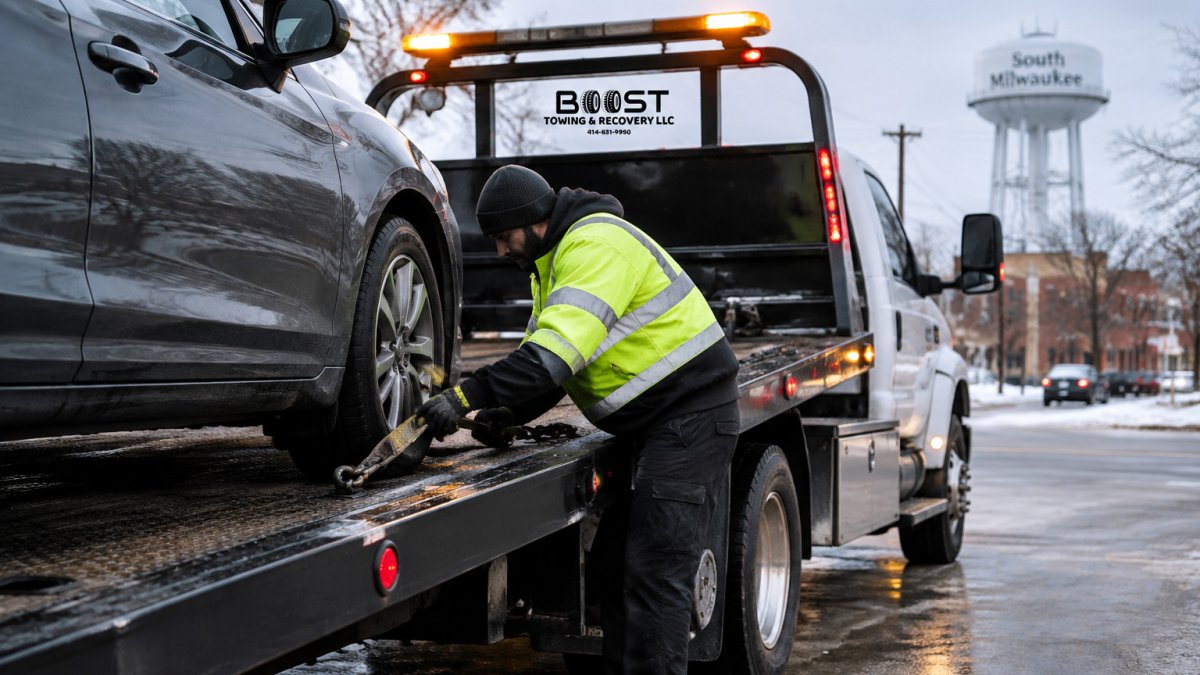
Flatbed towing and auto transport solve different problems, and choosing wrong can cost you money or damage your vehicle. A flatbed tow uses a single truck with a tilting deck that carries one vehicle, fully off the ground. Auto transport uses a multi-car carrier, either open or enclosed, that hauls several vehicles at once.
Inoperable vehicle, any distance: flatbed towing. A wheel-lift or dolly setup can handle some short moves, but a flatbed is the safer choice for anything that cannot roll under its own power.
Running vehicle, long distance, budget priority: open auto transport. It is the least expensive option per mile for a functioning car.
Exotic, classic, or low-clearance vehicle: enclosed transport or a flatbed with proper strapping. Exposure to road debris and weather is a real risk on an open carrier.
Two vehicles moving together: some providers can haul up to two vehicles at one time, which can reduce the total cost compared with booking two separate jobs.
Long Distance Vehicle Transport Preparation Checklist
Preparation protects your vehicle and your wallet. A vehicle that is ready to load moves faster, which keeps the job on schedule and reduces the chance of an access or equipment surcharge. Walk around the vehicle before pickup and document its condition.

Inspection Checklist Before Pickup
Use this list before the truck arrives. Photograph each item so you have a record if a dispute arises later.
Photograph all four sides, the roof, and the odometer
Note existing scratches, dents, and cracked glass
Check tire pressure and note any flat or damaged tires
Confirm the battery is secure and terminals are covered
Remove or secure loose items, toll transponders, and personal belongings
Disable the alarm and confirm the key or fob is available to the driver
Check fluid levels for any obvious leaks under the vehicle
Confirm the fuel level is appropriate for the transport method
Key Takeaway The single most valuable thing you can do before a long-haul tow is document the vehicle's condition with dated photos. It is the only reliable proof you have if damage is discovered at the destination.
Insurance, Liability, and Who Pays If Something Breaks
Who pays when something breaks during a long distance tow depends on what broke and why. This is the section most guides skip, and it is where the real financial risk sits.
Before the truck arrives, ask three questions:
Is the vehicle insured while in transit, and by whom?
What is the carrier's liability limit per vehicle?
What is the process for filing a damage claim, and what is the deadline?
DIY vs Professional Towing: The Real Cost Comparison
Doing it yourself rarely saves what people expect. The DIY option means renting a tow dolly or trailer, securing a capable tow vehicle, and accepting the risk yourself. By the time you add the rental, the fuel penalty of hauling, the equipment, and the time, the gap between DIY and professional narrows fast.
Here is the honest cost-benefit breakdown:
Factor | DIY (Rent a Dolly/Trailer) | Professional Towing |
Upfront cost | Rental fee plus fuel | Quoted base plus mileage |
Towing capacity required | Your own vehicle must qualify | Provider supplies the truck |
Damage risk | Entirely on you | Carrier liability applies |
Time investment | Full day or more of driving | You hand over the keys |
Specialty vehicles | High risk of damage | Trained handling |
Breakdown en route | You solve it | Provider handles it |
Seasonal Pricing and Booking Timing
Timing your booking can move your quote more than any negotiation. Demand for long-haul transport and towing rises in specific windows, and providers price accordingly.
Pro Tip If your transport is planned rather than an emergency, book at least a week out and ask whether an off-peak pickup day lowers the rate. Midweek morning pickups are often the cheapest slot.
Conclusion
Long distance towing comes down to matching the right method to your vehicle, your timeline, and your budget, then locking in the pricing details before the truck arrives. The drivers who avoid billing surprises are the ones who ask about mileage, surcharges, and carrier liability upfront. Boost Towing & Recovery LLC handles long-haul transport with flatbed and wheel-lift equipment, the ability to move up to two vehicles at one time, and 24/7 dispatch for emergencies.
Frequently Asked Questions
How much does a long distance tow cost?
There is no single flat rate. Most long distance towing is priced per mile, so a 300-mile haul costs more than a 60-mile one. Your quote depends on distance, vehicle weight, whether the truck is flatbed or wheel-lift, and when you book. Ask for an itemized quote that separates the base hookup fee from the mileage rate so after-hours charges do not surprise you. Boost Towing & Recovery LLC provides upfront quotes before dispatch.
What is the cost of long distance towing per mile?
Per-mile rates vary by region, carrier, and vehicle type, so treat any single number as a starting point rather than a rule. Rates typically rise for heavier vehicles, oversized loads, and weekend or holiday pickups. The most reliable approach is to request a written towing estimate that lists the mileage rate, any fuel surcharge, and the hookup fee separately. That way you can compare quotes on equal terms instead of guessing.
What should I prepare before my vehicle is picked up for long distance transport?
Long distance vehicle transport preparation starts with a clean vehicle, a full inspection, and photos of every panel from four angles. Remove personal items, toll transponders, and loose accessories. Check tire pressure, confirm the battery holds a charge, and note any existing damage on the bill of lading before the driver leaves. Keep a copy of that signed document; it is your proof of condition if a claim is ever needed.
Is flatbed towing or auto transport better for a long distance move?
Flatbed towing keeps the vehicle fully off the ground and is the safer choice for low-clearance cars, exotics, and vehicles with damage that prevents rolling. Auto transport carriers move several vehicles at once and often cost less per mile on very long routes, but your car may wait for a full load. For a single vehicle that needs to arrive quickly, flatbed towing is usually the more direct option.
Does my insurance cover long distance towing services?
It depends on your policy. Many auto policies include roadside assistance with a mileage cap, often 15 to 100 miles, and charge out of pocket beyond that. Some credit cards and auto club memberships extend coverage further. Call your insurer before you book and ask the exact per-mile reimbursement limit. If your policy falls short, ask the towing company for a written quote you can submit for partial reimbursement.
How long does a long distance tow take?
Transit time depends on distance, weather, and driver hours-of-service rules. A 200-mile tow may finish the same day, while a 1,000-mile haul typically takes two to four days. Carriers cannot legally drive unlimited hours, so overnight stops are normal on cross-country routes. Ask for an estimated delivery window in writing and confirm whether the quote includes door-to-door service or a terminal pickup.
Book Online

Comments